
The idea of passive income has become a lot more popular in Kenya over the last few years. Partly because living costs have gone up. Partly because internet access has made it easier for people to earn money from outside their immediate location. And, honestly, because many people have realized that depending on one salary can feel risky.
Still, “passive” doesn’t mean effortless. That’s probably the biggest misconception.
Almost every reliable income stream requires time, money, or skills before it begins generating consistent returns. Some eventually become close to automatic. Others stay semi-passive, needing occasional updates or maintenance. That’s normal.
If you’re looking for passive income in Kenya, it’s worth thinking less about shortcuts and more about building assets that continue producing value over time.

Table of Contents
What Counts as Passive Income?
Strictly speaking, passive income is money earned without trading your time for every payment.
Rent from property, dividends from investments, royalties from books, or income from digital products are common examples.
But many opportunities people describe as passive are really semi-passive. A YouTube channel still needs new videos. A blog needs updates now and then. Even affiliate websites occasionally break because some company changes a link somewhere. The internet has a way of doing that.
The important distinction isn’t whether you work. It’s whether your previous work keeps generating income after it’s completed.
1. Sell Digital Products
Digital products have relatively low ongoing costs because they’re created once and sold repeatedly.
Examples include:
- Budget templates
- Resume templates
- Business spreadsheets
- Online courses
- Photography presets
- Printable planners
- E-books
Demand has grown in Kenya as more people purchase digital goods online through platforms that support local and international payments.
If your product solves a specific problem, there’s potential for long-term sales without managing physical inventory.
The difficult part is usually creating something genuinely useful rather than another generic PDF that nobody asked for.
2. Affiliate Marketing
Affiliate marketing involves recommending products or services and earning a commission whenever someone makes a purchase through your referral link.
It’s become one of the more accessible forms of online income in Kenya, particularly for people who already have:
- Blogs
- YouTube channels
- Newsletters
- Social media audiences
Success depends less on posting links everywhere and more on trust.
People generally don’t click recommendations from someone who appears to recommend a different “life-changing opportunity” every Tuesday.
Building an audience takes time, but established websites can continue earning affiliate commissions for years from older content that still ranks in search engines.

3. Dividend Investing
Dividend investing remains one of the more traditional passive income options.
Investors purchase shares in companies that distribute part of their profits to shareholders.
Within Kenya, some companies listed on the Nairobi Securities Exchange (NSE) have historically paid dividends, although payments vary depending on company performance and economic conditions.
Dividend investing isn’t designed to generate quick cash.
Instead, it works best for investors willing to:
- Reinvest dividends
- Hold investments for several years
- Accept that dividend payments can increase, decrease, or disappear altogether
Returns depend on business fundamentals rather than social media excitement, which is usually a healthier foundation anyway.
4. Create a YouTube Channel
Content creation isn’t passive initially.
Far from it.
Recording, editing, scripting, and publishing videos requires consistent effort.
However, successful videos may continue earning advertising revenue months or even years after publication.
Additional income sources include:
- Brand partnerships
- Affiliate commissions
- Digital product sales
- Membership subscriptions
Educational and evergreen content generally performs better over longer periods than videos built around temporary trends.
Some creators still receive most of their monthly income from videos uploaded several years earlier.
5. Build a Niche Website
A well-researched website can become a long-term digital asset.
Revenue often comes through combinations of:
- Display advertising
- Affiliate marketing
- Sponsored content
- Digital products
- Email newsletters
This approach requires patience because search traffic usually develops gradually.
It’s common for websites to generate very little income during the first several months.
That’s frustrating, but it’s also fairly normal.
Publishing useful content consistently tends to outperform publishing large volumes of low-quality articles.
6. Sell Online Courses
Online education continues expanding across Africa.
Professionals with expertise in areas like:
- Accounting
- Programming
- Graphic design
- Trading
- Marketing
- Photography
- Language instruction
can package their knowledge into structured courses.
Unlike one-on-one consulting, courses can continue generating revenue without repeating the same lesson every week.
Courses still require updates as industries change, but maintenance is generally lighter than delivering live training continuously.
7. License Photography or Design Assets
Photographers, designers, and illustrators can upload creative work to stock marketplaces.
Examples include:
- Business photos
- Travel photography
- Icons
- Templates
- Graphics
- Background textures
Each download generates a royalty payment.
Individual sales are often small, but large portfolios can produce recurring income over time.
It’s not glamorous work. Keyword tagging images can be surprisingly repetitive. Still, many creators treat stock libraries as long-term assets.
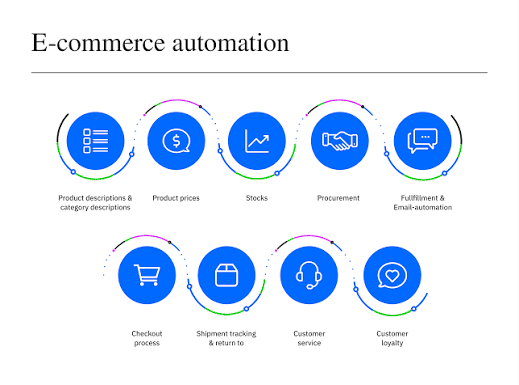
8. Start an E-commerce Business with Automation
Not every online store requires constant attention.
Some entrepreneurs automate large parts of their operations through:
- Print-on-demand services
- Third-party fulfillment
- Inventory management software
- Automated customer communication
Although business owners still oversee operations, automation reduces the amount of daily manual work.
This makes e-commerce one of the more scalable digital income streams, particularly when combined with strong branding and repeat customers.
9. Invest in Real Estate Investment Trusts (REITs)
Buying rental property isn’t realistic for everyone.
REITs allow investors to gain exposure to real estate without purchasing an entire building.
Investors receive returns based on property income generated by professionally managed portfolios.
Like other investments, REIT performance depends on market conditions, interest rates, occupancy levels, and broader economic factors.
They’re investments—not guaranteed income sources.
10. Develop Mobile Apps or Software
Software products often involve significant upfront development costs.
Once launched, however, revenue may continue through:
- Monthly subscriptions
- One-time purchases
- Premium upgrades
- Advertising
Even relatively small applications solving practical problems can develop loyal user bases.
Of course, software also requires bug fixes. Technology has an annoying habit of changing right after you think everything works perfectly.
Choosing the Right Passive Income Strategy
Not every option suits every person.
A simple way to compare opportunities is by considering three factors:
| Income Source | Upfront Investment | Time to Earn | Maintenance |
|---|---|---|---|
| Digital products | Low to Medium | Medium | Low |
| Affiliate marketing | Low | Medium to Long | Medium |
| Dividend investing | Medium to High | Long | Very Low |
| YouTube | Low | Long | Medium |
| Niche website | Low | Long | Medium |
| Online courses | Medium | Medium | Low |
| Stock photography | Low | Medium | Low |
| Automated e-commerce | Medium | Medium | Medium |
| REITs | Medium | Long | Very Low |
| Software or apps | High | Medium to Long | Medium |
The fastest option isn’t always the most sustainable.
In practice, many people combine several income streams rather than relying on one. Someone might invest in dividend-paying shares while also running a blog or selling digital templates. Diversification doesn’t eliminate risk, but it can reduce dependence on a single source of income.
Common Mistakes to Avoid
Several patterns appear repeatedly among beginners exploring side income ideas:
- Expecting immediate returns from long-term assets.
- Purchasing expensive online courses before testing an idea.
- Following trends without understanding the underlying business model.
- Ignoring taxes, licensing requirements, or platform fees.
- Giving up after a few months because growth seems slow.
Many successful passive income projects look unremarkable during their early stages.
That’s often because the asset is still being built.
Final Thoughts
Building passive income in Kenya is usually less about finding a hidden opportunity and more about creating assets that continue producing value over time.
Digital products, affiliate marketing, dividend investing, content creation, online businesses, and software all share one characteristic: they demand effort before they generate consistent returns.
There isn’t a universal best option. The right choice depends on your skills, available capital, and how much time you’re willing to invest upfront.
For most people, sustainable passive income develops gradually. That may sound less exciting than headlines promising overnight success, but it’s generally closer to how long-term wealth is actually built.