
Prediction markets tend to become most active when uncertainty is high but information continues to arrive. That’s where forecasting becomes interesting. New data changes probabilities, opinions evolve, and markets adjust accordingly.
Not every headline creates a meaningful prediction opportunity, though.
The best forecasting markets usually share a few characteristics. They’re tied to measurable outcomes, attract diverse opinions, and receive a steady flow of new information. A market with no fresh data often becomes stagnant. A market with constant developments, on the other hand, gives forecasters something to work with.
Below are some of the best prediction opportunities attracting attention across politics, sports, economics, and technology.
Table of Contents
Politics: Elections and Government Policy
Politics remains one of the largest categories in prediction markets.
Major elections generate sustained interest because outcomes depend on numerous measurable factors, including polling, economic conditions, campaign developments, fundraising, and voter turnout.
Markets attracting attention include:
- National elections
- Leadership contests
- Referendums
- Parliamentary outcomes
- Cabinet appointments
- Major policy decisions
Political forecasting is rarely static.
Approval ratings change. Coalitions form and dissolve. Campaigns gain momentum or lose it. Sometimes a single debate shifts public conversation for several days.
Forecasts therefore evolve continuously rather than remaining fixed.
Economic Indicators
Economic releases influence governments, businesses, investors, and consumers alike.
As a result, markets linked to macroeconomic data often receive significant forecasting interest.
Examples include:
- Inflation
- Interest rate decisions
- GDP growth
- Unemployment figures
- Currency movements
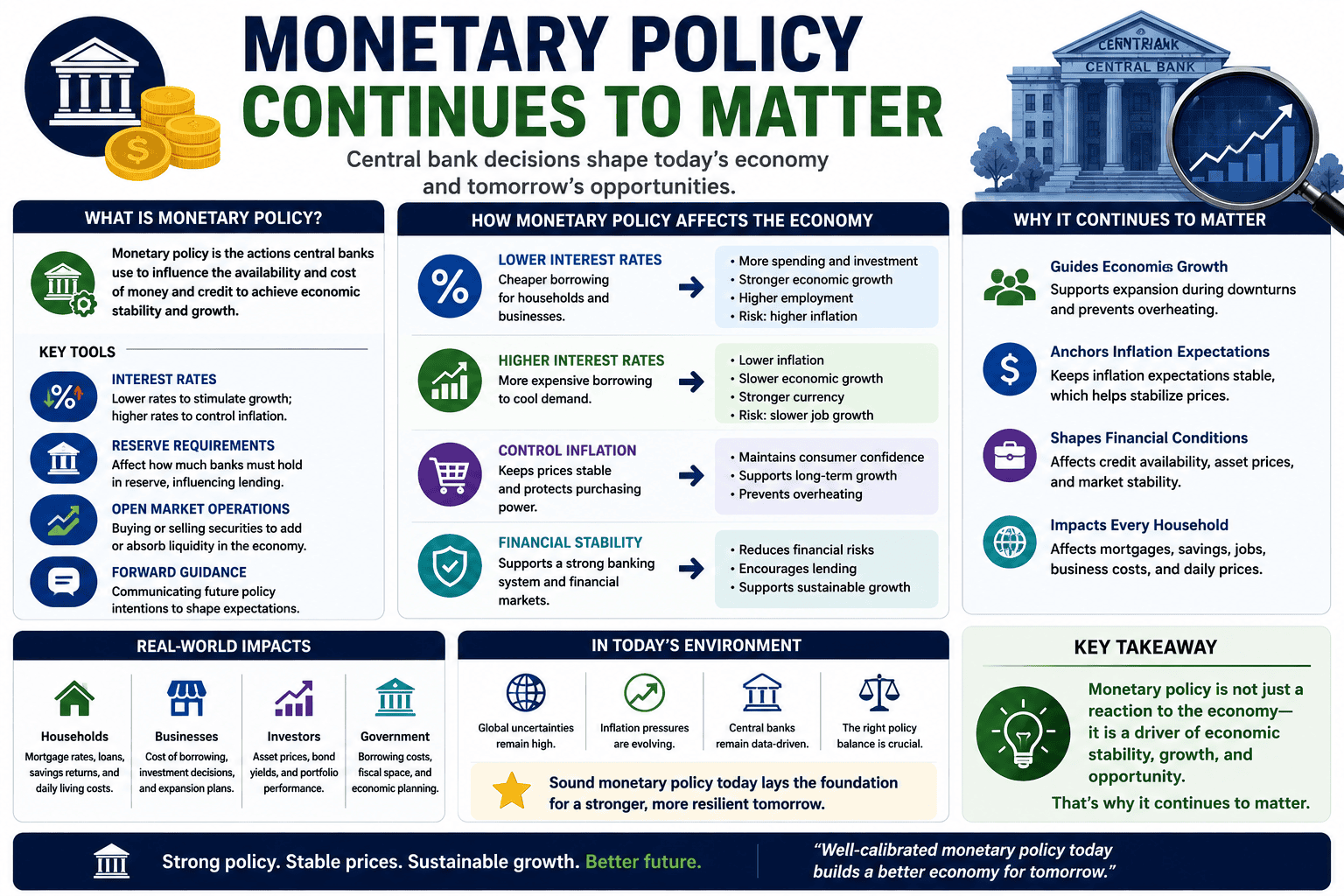
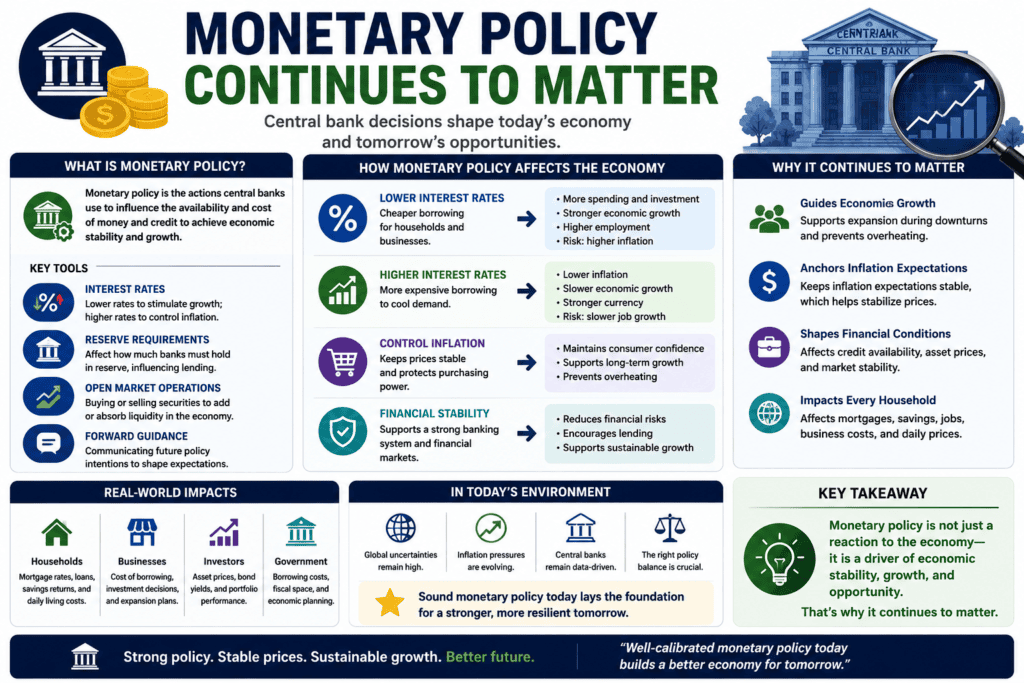
- Central bank policy
Unlike many political events, economic indicators follow scheduled release calendars.
Analysts therefore spend considerable time examining leading indicators before official data becomes available.
Even then, surprises happen.
Markets have a habit of reminding everyone that consensus forecasts are not guarantees.
Cryptocurrency and Digital Assets
Digital asset markets continue attracting attention because they combine rapid information flow with significant price volatility.
Common forecasting topics include:
- Bitcoin price direction
- Ethereum adoption
- Stablecoin regulation
- Institutional investment
- Crypto legislation
- Blockchain development
Forecasts increasingly rely on macroeconomic analysis rather than technical indicators alone.
Interest rates, liquidity, institutional demand, and regulatory developments now influence cryptocurrency markets alongside traditional blockchain metrics.

Major Sporting Events
Sport has always involved uncertainty.
Prediction markets extend that uncertainty beyond simply choosing who might win a match.
Popular sports forecasting topics include:
- League champions
- Tournament winners
- Individual awards
- Promotion and relegation
- Championship playoffs
- Season point totals
Football continues to dominate many prediction platforms, particularly major competitions such as the Premier League, UEFA Champions League, FIFA World Cup, and continental tournaments.
Performance data, injuries, tactical changes, and fixture schedules all contribute to evolving probabilities.
One unexpected red card can alter an entire match forecast.
That’s part of the appeal, although probably less so if it happens to your team.
Artificial Intelligence and Technology
Technology forecasting has grown considerably over recent years.
Markets increasingly focus on questions such as:
- AI product launches
- Semiconductor industry developments
- Technology regulation
- Consumer adoption
- Corporate earnings
- Major acquisitions
Unlike election markets, technology forecasts often depend on product announcements, financial performance, and innovation cycles rather than voter behavior.
These markets reward careful analysis of industry trends rather than short-term speculation.
Financial Markets
Financial forecasting extends beyond cryptocurrencies.
Many participants follow markets involving:
- Equity indices
- Commodity prices
- Oil markets
- Gold
- Exchange rates
- Corporate earnings
Financial markets process information rapidly.
New inflation data, employment reports, or geopolitical developments may alter expectations within minutes.
Forecasting success therefore depends on understanding both economics and market psychology.
Climate and Energy
Climate-related forecasting has become increasingly relevant.
Examples include:
- Renewable energy adoption
- Oil production decisions
- Carbon policy
- Weather-related economic impacts
- Energy prices
Governments, businesses, and investors all monitor these developments because they influence long-term planning across multiple industries.
Forecasting in this category often combines environmental science with economics and public policy.
Why These Markets Attract Attention
The most active forecast opportunities generally possess several common characteristics:
- Frequent information updates
- Measurable outcomes
- Public interest
- Reliable data availability
- Diverse opinions among participants
Markets become more informative when participants interpret the same evidence differently.
If everyone agrees completely, forecasting becomes considerably less interesting.
Disagreement is often where valuable information emerges.
How Analysts Evaluate Market Opportunities
Professional forecasters rarely rely on intuition alone.
Instead, they examine multiple evidence sources, including:
- Historical data
- Polling
- Economic statistics
- News developments
- Expert analysis
- Market sentiment
- Statistical models
No individual indicator consistently predicts outcomes.
Combining multiple sources generally produces more balanced forecasts than relying on a single signal.
That approach also helps reduce overconfidence.
Risk and Uncertainty Remain Constant
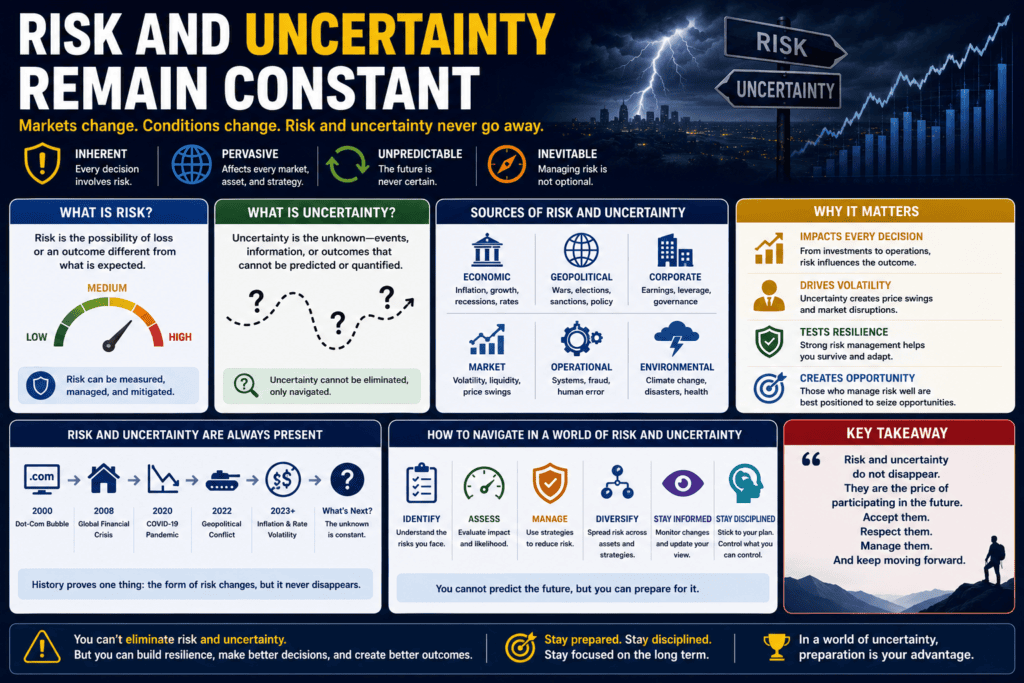
Every prediction market contains uncertainty.
Unexpected events may include:
- Policy announcements
- Injuries
- Corporate decisions
- Regulatory changes
- Natural disasters
- Geopolitical developments
Forecasts should therefore be viewed as probabilities rather than certainties.
A market assigning a 70% probability to an outcome still implies a meaningful chance that the opposite result occurs.
Understanding probability is arguably more valuable than attempting to eliminate uncertainty altogether.
Choosing the Best Prediction Opportunities
Not every active market deserves equal attention.
Useful forecasting opportunities often demonstrate:
| Characteristic | Why It Matters |
|---|---|
| High liquidity | Reflects active participation and efficient pricing |
| Reliable information | Supports evidence-based forecasting |
| Clear outcomes | Reduces ambiguity when markets settle |
| Ongoing developments | Allows probabilities to evolve with new evidence |
| Broad participation | Incorporates diverse perspectives |
Markets lacking reliable information or clearly defined outcomes tend to produce weaker forecasts.